Septic Tank Pumping Moreno Valley CA — Fast Help for Backups, Odors & Maintenance
Inland Empire septic pumping for properties with onsite wastewater systems
When you need septic tank cleaning Moreno Valley, you need more than a truck that removes waste and leaves. You need a team that listens to what you are seeing — slow drains, bubbling toilets, sewage odor, wet ground, a septic alarm, or a backup — and helps determine whether the problem calls for a routine pump-out, a blocked-line assessment, or a septic-system repair.
Mall Valley Plumbing serves Moreno Valley-area properties with onsite septic systems, including homes, rentals, rural-edge parcels, and qualifying commercial properties across the Inland Empire. Our team works to identify the likely source of the issue before recommending the next step, so you are not paying for a service that does not address the real problem.
A full septic tank can require pumping, but repeated backups can also involve an outlet restriction, clogged filter, damaged baffle, pump problem, blocked line, or drain-field concern. We explain what we find in plain language and help you move forward with clarity.
Call Now for Septic Tank PumpingCall +1 (951) 802-3777 to discuss a septic backup, routine pump-out, odor concern, or septic maintenance request.
Request Septic Service
Tell us what you are seeing and we will help determine the right next step.
Septic Tank Cleaning & Pumping Backed by Practical Plumbing Expertise
Straight answers when you are unsure whether you need pumping, clearing, or repair
A septic concern can be stressful because the symptoms are often unclear. A toilet may bubble, several drains may slow down, or an outdoor odor may appear without an obvious cause. The right answer is not always "pump the tank immediately." In some cases, the issue may be a fixture drain, building sewer line, clogged septic filter, faulty pump, or a drain field that is no longer accepting water properly.
Mall Valley Plumbing approaches each request with a problem-first mindset. We ask about the symptoms, maintenance history, tank access, property layout, and whether the home is on septic or public sewer before recommending a path forward.
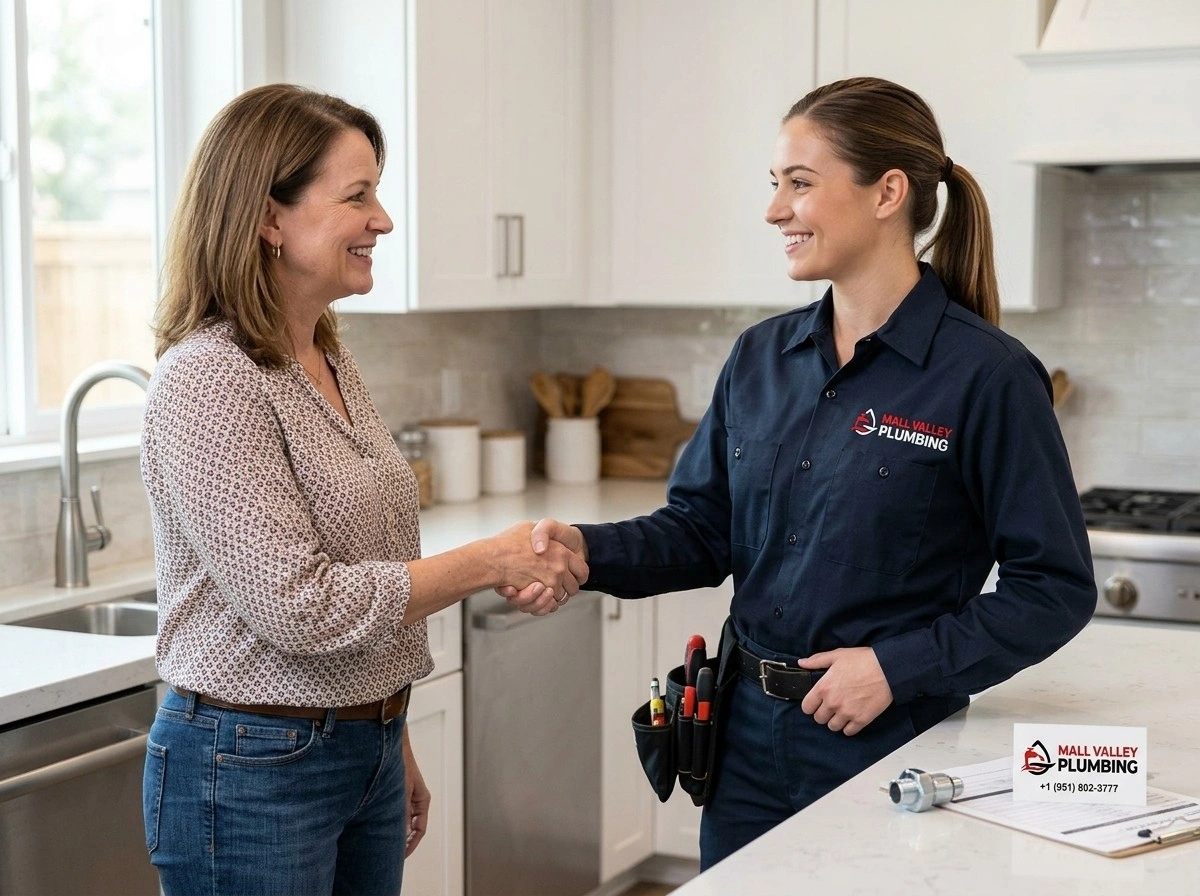
Septic Pumping Near Moreno Valley Neighborhoods, Rural-Edge Properties & Surrounding Communities
Serving septic-system properties throughout the Moreno Valley area and nearby Inland Empire communities
Not every property in Moreno Valley uses a septic system. Much of the city is connected to public wastewater infrastructure, so slow drains or sewage odors do not automatically mean that a septic tank is the cause. If you are unsure whether your property is connected to public sewer or uses an onsite wastewater system, Mall Valley Plumbing can help you identify the appropriate next step.
For homes and properties that do use septic systems, we provide septic tank cleaning, pumping, maintenance guidance, and related plumbing support. We serve properties near local destinations, neighborhood corridors, and outlying areas where onsite wastewater systems may still be present.
Moreno Valley Neighborhoods & Communities
Nearby Cities & Service Areas
Local Landmarks & Reference Points
Specialized Septic Tank Pumping Support for Onsite Wastewater Systems
Inland Empire plumbing professionals focused on the real cause of your backup or odor
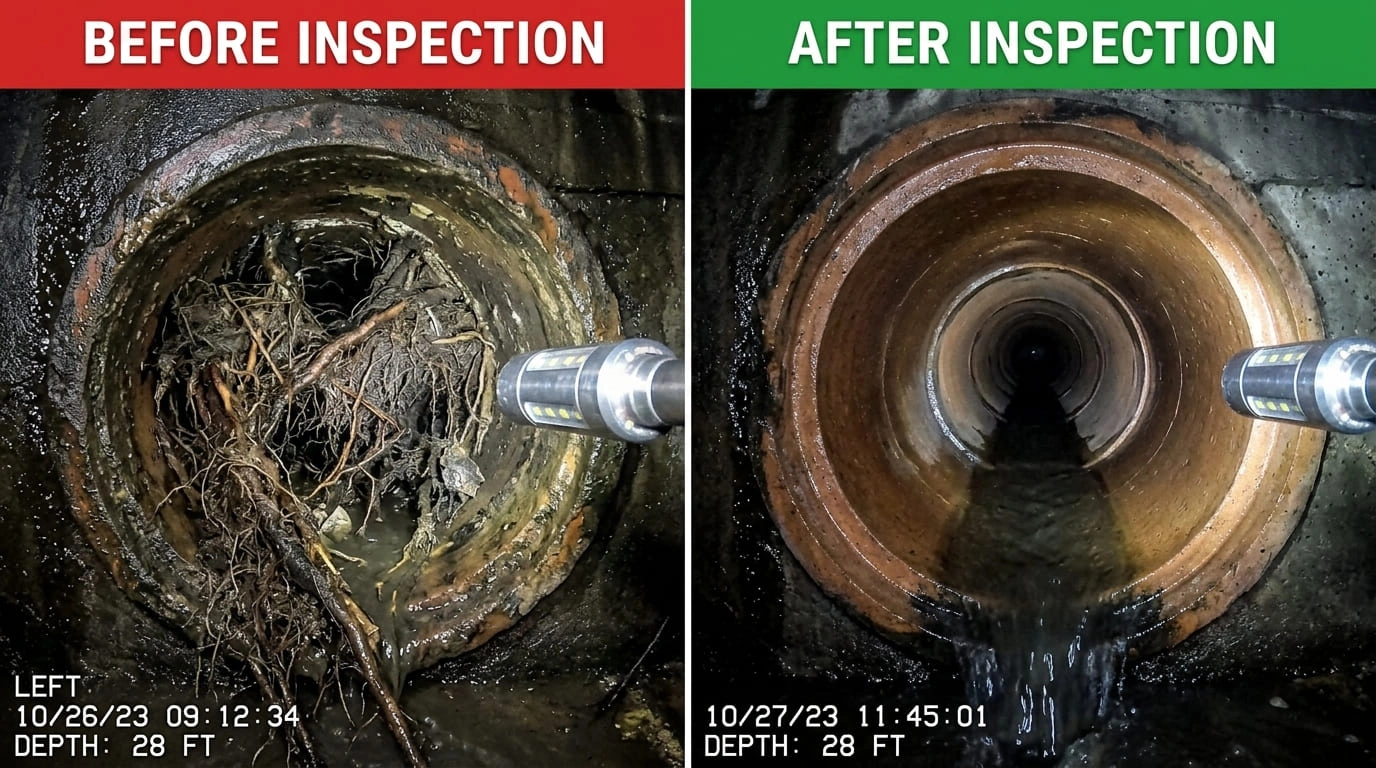
Septic systems involve more than a buried tank. A functioning onsite wastewater system can include a tank, inlet and outlet piping, baffles, filters, pumps, alarms, risers, distribution components, and a drain field or leach field. When one part is restricted, damaged, overloaded, or saturated, the symptoms inside the property can look similar.
Mall Valley Plumbing helps property owners understand the difference between a tank that needs scheduled pumping and a system that needs further diagnosis. We do not treat every slow drain as a septic emergency, and we do not assume a pump-out will fix every backup.
- Symptom-based assessment for slow drains, bubbling toilets, sewage odors, and wastewater backups
- Plumbing expertise for distinguishing fixture clogs, main-line issues, sewer concerns, and septic-system symptoms
- Clear recommendations when tank pumping, line clearing, camera inspection, or repair evaluation may be appropriate
- Practical guidance for property owners, landlords, HOA managers, and commercial facility contacts
- Straightforward documentation of the work performed and any observed next-step concerns
What Happens When a Septic System Fails or Backs Up?
Common septic problems Moreno Valley-area property owners should not ignore
A septic backup can occur when wastewater cannot move through the system as intended. The tank may be overdue for pumping, solids may be affecting the outlet area, a filter may be restricted, an effluent pump may not be working, a line may be blocked, or the drain field may be too saturated to accept more wastewater.
The signs can appear gradually or all at once. You may notice toilets that bubble, several drains that empty slowly, a sewage smell inside or outside, water pooling in the yard, or wastewater backing up into a shower, tub, toilet, or floor drain.
Sanitation & Property-Damage Warning
A sewage backup creates sanitation and property-damage concerns. If wastewater is surfacing or coming back into the building, stop using water fixtures where possible, keep children and pets away from affected areas, and seek prompt professional help. See water damage restoration for related cleanup support.
Multiple Slow Drains
Slow drains throughout the property rather than at only one fixture.
Gurgling Toilets
Toilets that gurgle, bubble, or struggle to flush.
Sewage Backups
Sewage coming up in a tub, shower, toilet, or floor drain.
Wet or Smelly Yard
Wet, unusually green, or foul-smelling ground near a septic area.
Sewer Gas Odor
Strong sewer-gas or wastewater odors inside the home or outdoors.
Alarms & Recurring Problems
A septic alarm, suspected pump issue, or recurring backups after recent service.
How Often Should a Septic Tank Be Pumped?
A maintenance schedule should reflect your tank, household, usage, and system condition
For properties with onsite wastewater systems, routine pumping helps remove accumulated solids and scum before they move toward the absorption area or contribute to system problems. A common maintenance guideline is every three to five years, but the right interval depends on the tank's capacity, the number of people using the system, water use, garbage-disposal habits, past maintenance, and the condition of the system.
Mall Valley Plumbing can help you plan practical septic maintenance based on the information available for your property. If you have recently purchased a home, do not know when the tank was last serviced, or cannot locate prior records, it may be time to schedule a conversation about the condition and accessibility of your system.
| Maintenance Task | Description | Typical Timing | Why It Matters |
|---|---|---|---|
| Service-history review | Review known pumping dates, symptoms, household use, and available records | Before scheduling or during visit | Helps determine whether routine service is likely due |
| Tank-access assessment | Identify lid, riser, gate, driveway, landscape, and hose-access conditions | Before or at service | Clarifies access needs and potential extra work |
| Septic pumping | Remove accumulated tank contents when pumping is appropriate | Often every 3–5 years | Helps protect downstream components and the drain field |
| Visual observations | Note accessible tank, lid, baffle, filter, pump, or alarm concerns | During service | Helps identify signs that may require further evaluation |
| Service documentation | Provide a record of work performed and recommendations | After service | Supports future maintenance planning and property records |
| Repair recommendations | Explain concerns involving lines, filters, baffles, pumps, or drain fields | When identified | Helps avoid treating a recurring failure as a routine pump-out |
Seasonal Planning Considerations
- Schedule routine service before a known period of heavy household use, guests, renovations, or occupancy changes.
- Address leaking toilets, continuously running fixtures, and plumbing leaks because excess water can burden a septic system.
- Spread out large laundry loads when possible instead of sending unusually high water volume into the system at once.
- Schedule service before installing hardscape, landscaping, fencing, or improvements that could make tank access more difficult.
Maintenance note: A septic system does not follow one identical schedule for every household. Some properties need attention sooner because of tank size, usage, additional occupants, pump-system components, past repair history, or existing drain-field limitations.
Cost note: Septic pumping cost can vary with tank size, number of compartments, lid depth, buried access, excavation, gate clearance, truck positioning, hose distance, emergency timing, and whether additional diagnostic or repair work is needed.
Who Needs Septic Tank Cleaning & Pumping in Moreno Valley?
Support for septic-property owners across the Inland Empire
Septic pumping is for properties that use onsite wastewater systems, not every property in Moreno Valley. If your home or building is connected to public sewer, the cause of slow drains or backups may be a plumbing or sewer-line issue instead. If you are not sure which system serves your property, we can help you determine the next step.
Mall Valley Plumbing supports eligible residential and commercial clients who need septic-system maintenance, backup assistance, or related plumbing diagnosis.
Homeowners
Property owners with confirmed onsite septic systems.
Rural-Edge & Outlying Properties
Unsewered residential properties on the outskirts of city service areas.
New Homeowners
Owners who do not know when the tank was last pumped.
Landlords & Rentals
Rental-property owners managing septic-equipped homes.
Multi-Family & HOAs
Properties with onsite wastewater infrastructure.
Commercial Facilities
Restaurants, offices, and small facilities with septic systems.
Property Managers
Coordinators handling access, records, maintenance, and repair planning.
Buyers & Sellers
Owners seeking practical septic-service information before a property transaction.
How Moreno Valley Weather, Water Use & Property Access Affect Septic Service
Heat, household demand, rain events, and buried access can influence your system
Moreno Valley-area properties can experience hot, dry conditions for long periods, sudden weather changes, heavy household water use, and occasional rain events that expose hidden drain-field limitations. A septic system may perform adequately for a long time until a leak, increase in household occupancy, plumbing issue, pump failure, or saturated soil condition places additional pressure on it.
The tank itself is only one part of the system. High water usage, laundry volume, running toilets, kitchen grease, wipes, and other non-septic-safe materials can contribute to operational problems. When rain or irrigation affects an already stressed drain field, the homeowner may notice water lingering in the yard, slow drainage, or backups that seem to return soon after pumping.
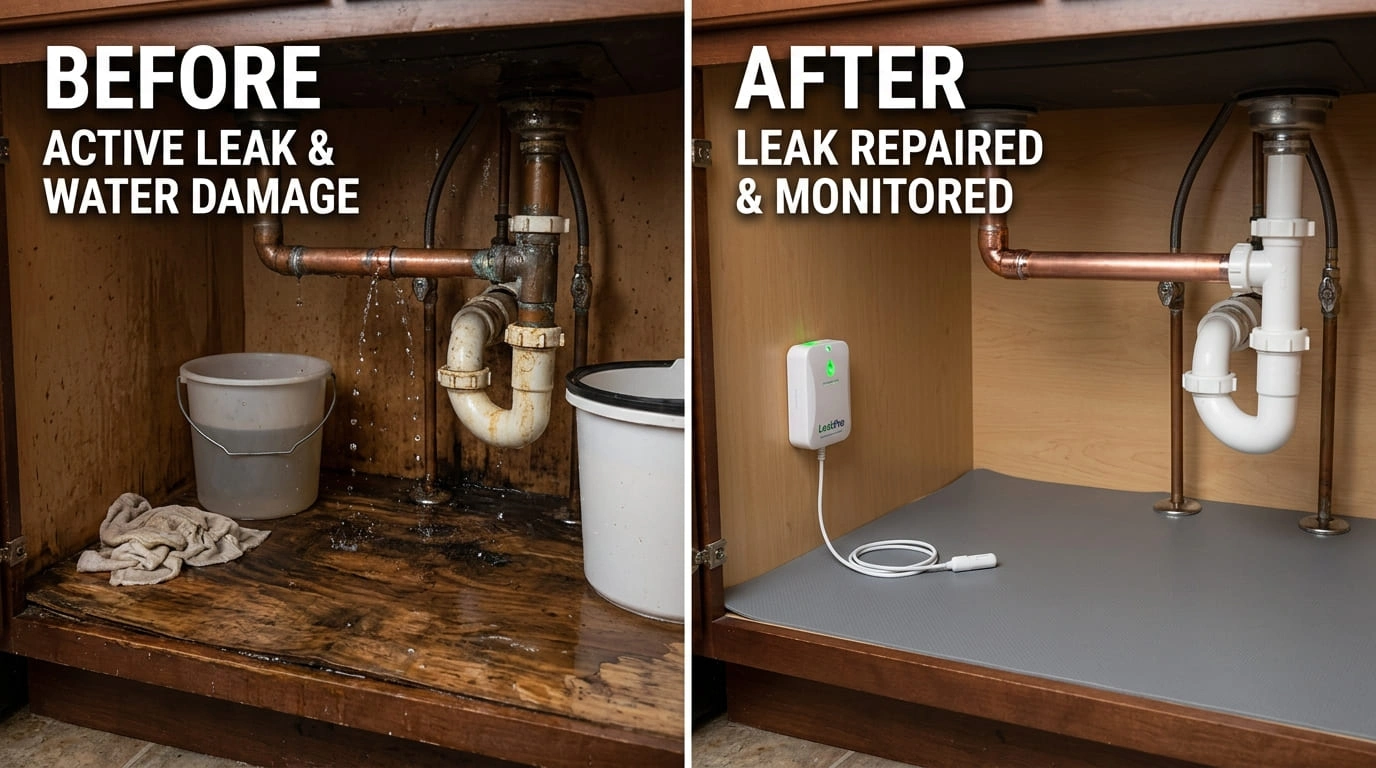
Seasonal & Property-Condition Considerations
Warm, High-Use Periods
More showers, laundry, guests, irrigation activity, and household water use can increase wastewater volume.
Rain & Saturated Ground
A drain field that cannot accept water effectively may contribute to slow drains, wet ground, or recurrent backup symptoms.
Buried Access
Landscaping, concrete, fences, decks, heavy planters, gates, and unknown lid locations can affect preparation time and service cost.
Older Components
Aging baffles, filters, risers, pumps, alarms, or piping may need inspection when problems repeat.
Vehicle & Landscaping Pressure
Driving, parking, construction, or deep-rooted trees over septic areas can create avoidable system concerns.
Common Septic-System Components Found on Inland Empire Properties
Knowing what your system includes helps explain what a pump-out can and cannot fix
A septic system may be simple or complex depending on the property, terrain, age of the installation, wastewater volume, and drainage conditions. Some systems rely on gravity, while others use pumps, alarms, filters, risers, or additional treatment components.
Mall Valley Plumbing explains service recommendations in homeowner-friendly terms. You should not have to understand every technical part before calling; however, knowing the basic components can help you describe what you see and understand why one system may require more than routine septic tank pumping.
| System Component | Typical Role | Common Concern | Why It Matters |
|---|---|---|---|
| Septic tank | Separates solids, scum, and wastewater | Solids accumulation or unknown pumping history | Regular pump-outs help reduce solids before they affect downstream areas |
| Access lid or riser | Provides entry to the tank | Buried, inaccessible, cracked, or difficult to reach | Access conditions can affect service time and cost |
| Inlet & outlet piping | Moves wastewater to and from the tank | Blockage, root intrusion, damage, or restriction | A line problem can mimic a full-tank backup |
| Baffles | Help direct flow and limit solids movement | Damage, deterioration, or obstruction | Failed baffles can affect system performance |
| Effluent filter | Helps limit solids from leaving the tank | Restriction or clogging | A blocked filter may contribute to slow drains or backups |
| Effluent / lift pump | Moves wastewater where gravity is insufficient | Alarm, electrical issue, mechanical failure | Pump failures can create urgent wastewater problems |
| Drain field / leach field | Disperses treated wastewater into soil | Saturation, damage, or reduced absorption | A failing field cannot be fixed by pumping alone |
Reliability note: A septic system works best when it is maintained, protected from excessive solids and water loading, and evaluated promptly when warning signs appear.
Our 6-Step Septic Tank Cleaning & Pumping Process
What to expect when Mall Valley Plumbing helps with a septic concern
Initial Call & Symptom Review
We ask what you are seeing: slow drains, bubbling toilets, sewage odor, wet ground, an alarm, a recent backup, or a tank that has not been serviced in years. We also ask whether you know the property is on septic or public sewer.
Property Access & System Assessment
We discuss the tank location, known lid or riser access, gates, landscaping, pets, vehicles, slopes, hardscape, and service history. This helps prepare for safe, efficient access.
On-Site Evaluation
The technician reviews the reported condition and determines whether the symptoms point toward pumping, a plumbing drain issue, a line obstruction, a pump problem, or another system concern.
Pump-Out or Diagnostic Service
When septic pumping is appropriate, the tank is serviced. If the symptoms suggest another issue, we explain the recommended diagnostic or repair path rather than treating a pump-out as a universal solution.
Findings & Recommendations
We explain what was observed, including accessible conditions involving the tank, filter, baffles, line, pump, or drain-field warning signs where applicable.
Documentation & Next-Step Planning
You receive a clear summary of the service performed and practical recommendations for maintenance, repair evaluation, access improvements, or future pumping schedules.
What Is Included in Our Septic Tank Cleaning & Pumping Service?
Clear information before you approve septic work
A septic service visit should give you more than a vague statement that the tank was "cleaned." Mall Valley Plumbing focuses on clear communication about what the visit includes, what conditions affect the scope, and what additional work may be recommended if the symptoms point to a problem beyond normal tank maintenance.
Typical Septic-Service Checklist
Initial review of the symptoms, system history, and known property conditions
Assessment of whether the property is likely served by septic or public sewer
Review of accessible tank-lid, riser, gate, driveway, landscape, and hose-route conditions
Septic tank pump-out when appropriate for the system and reported issue
Visual observations of accessible components within the scope of service
Notes on visible concerns involving tank access, baffles, filters, pumps, or surrounding conditions
Written summary of service performed and next-step recommendations
Separate repair or diagnostic recommendations for recurring backups, blocked lines, pump issues, or drain-field concerns
A septic pumping visit may not include excavation, locating an unknown tank, lid replacement, riser installation, camera inspection, line clearing, pump repair, drain-field work, or major system repair unless those items are specifically discussed and approved.
Key Advantages of Calling Mall Valley Plumbing for Septic Concerns
Practical communication, broader plumbing knowledge, and support for the next step
Septic customers often call because they are worried about a messy, expensive, or unclear problem. Our goal is to make the process easier to understand. We explain what you are seeing, what the symptom may indicate, what pumping can address, and when another plumbing or septic-system service should be considered.
Problem-first assessment instead of assuming every backup is only a full tank
Plumbing, drain, sewer, and leak-detection knowledge when symptoms may not be septic-related
Clear discussion of access conditions, tank location, pump-out scope, and potential cost factors
Emergency support for urgent sewage backups and wastewater concerns
Service documentation to help with future maintenance planning, records, or property-management coordination
Septic Tank Cleaning & Pumping Outcomes for Moreno Valley-Area Properties
What changes after the system is assessed and the right service is completed
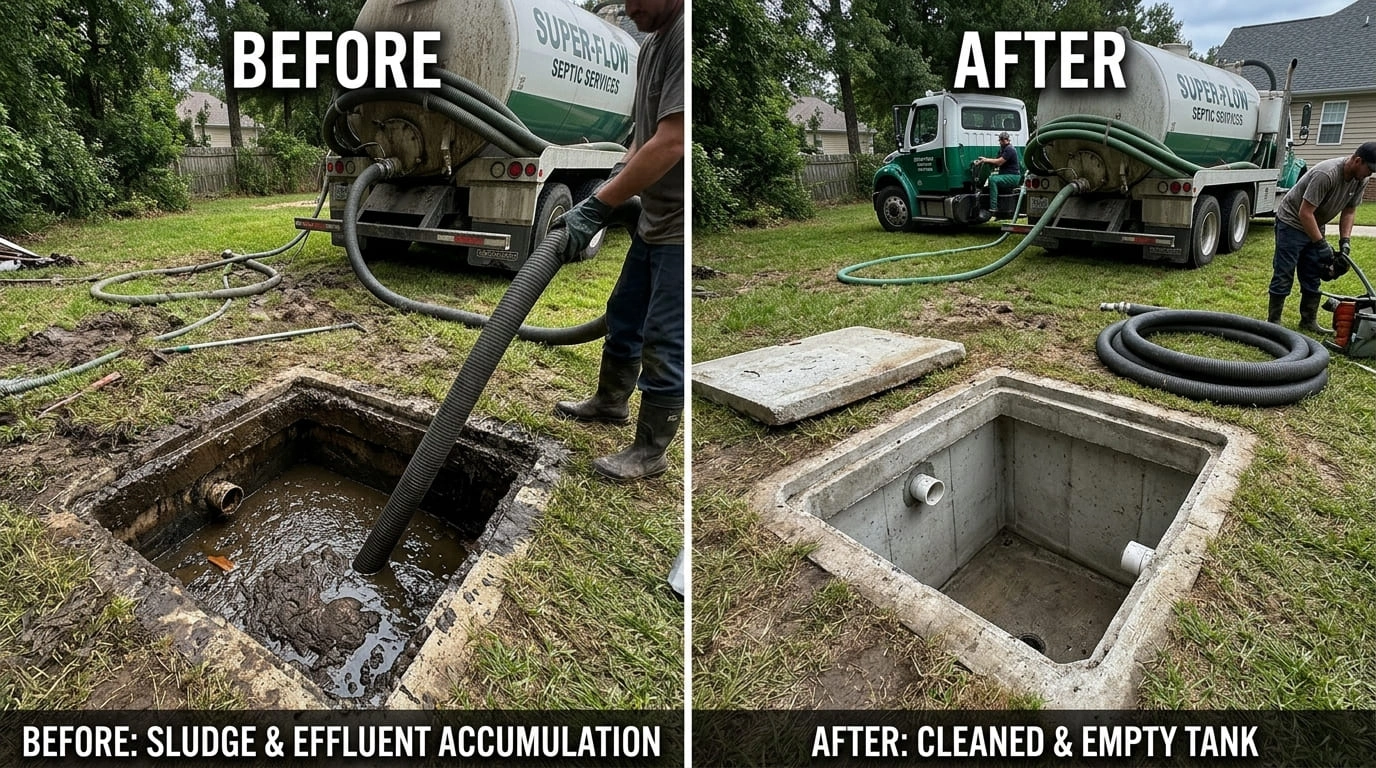
Many property owners call when they do not know where the tank is located, cannot remember the last pump-out, or are dealing with an unpleasant symptom such as sewage odor, multiple slow drains, or a toilet that bubbles. The most valuable outcome is not simply "the tank was pumped." It is a clearer understanding of what is happening and what should happen next.
Unknown maintenance history or no clear record of past septic service.
A documented service visit and a more practical maintenance plan.
Slow drains, odors, or backups with uncertainty about whether the problem is plumbing, sewer, or septic.
A clearer direction for pumping, line clearing, inspection, repair, or further evaluation.
Concern that a buried lid, inaccessible tank, or difficult property layout will make service impossible.
Clear information about access needs, possible riser options, and the next steps required for service.
A tank was pumped previously but backups or wet-ground symptoms returned.
A recommendation to investigate system components beyond the tank, including filters, pumps, lines, or drain-field conditions.
How We Approach Septic Tank Pumping, Access & Related Plumbing Concerns
Proper equipment, safe work practices, and clear recommendations for onsite wastewater systems
Septic service requires safe access, appropriate pumping equipment, careful work around wastewater, and a realistic understanding of what can be observed during a visit. Mall Valley Plumbing evaluates the practical service conditions before beginning work, including tank accessibility, hose routing, property layout, and whether the reported problem may involve a plumbing or septic-system component beyond routine maintenance.
Depending on the property and approved scope, service-related work may involve pump-out equipment, access-lid assessment, riser discussions, plumbing diagnostics, drain clearing, sewer camera inspection, line repair planning, or coordination for appropriate system repair.
- Equipment selected for safe wastewater-service access and pumping work
- Consideration of tank location, gates, landscaping, driveways, slopes, and hose distance
- Practical recommendations when buried lids, damaged covers, or inaccessible tank openings complicate service
- Clear separation between routine maintenance, plumbing drain service, septic-system diagnosis, and larger repairs
- Respect for property conditions, access limitations, and sanitation concerns around wastewater
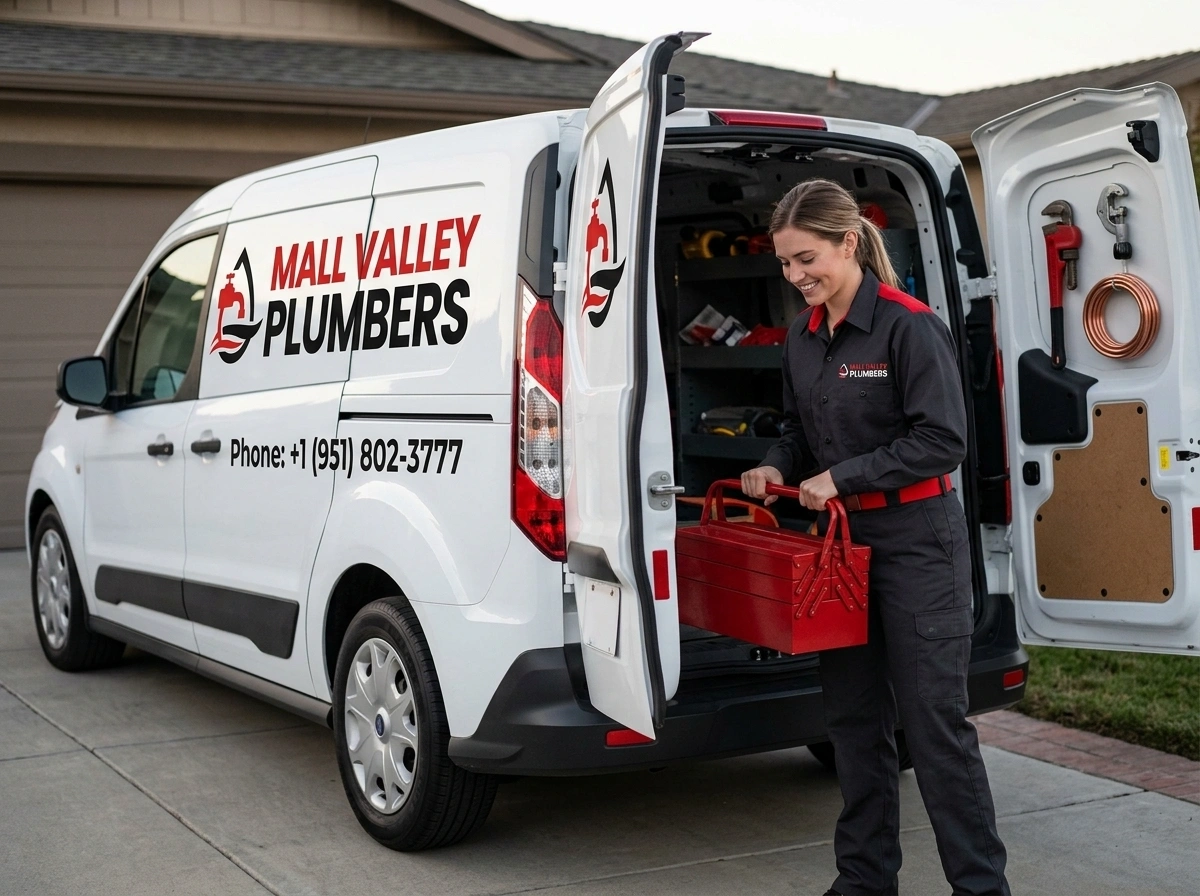
Should You Pump the Tank, Repair a Component, or Evaluate the Septic System?
The right solution depends on the cause of the problem
A septic tank pump-out is an important maintenance service, but it is not a cure for every backup. If the tank has not been serviced in years, pumping may be the correct first step. If the tank was recently pumped and the property still has slow drains, odors, wet ground, alarms, or recurring sewage backups, the issue may involve another component.
| Situation | Pumping May Be Appropriate | Further Repair or Evaluation May Be Needed |
|---|---|---|
| Unknown maintenance history | Yes, especially if routine service is overdue | Possibly, if symptoms continue after service |
| Full tank with normal drain-field performance | Yes | Not always |
| Septic tank pumped but drains still slow | May provide temporary relief | Yes — assess filters, lines, pumps, or drain field |
| Sewage odor around the yard | Possible as part of assessment | Yes — outdoor odor may indicate overload or damage |
| Wet ground over the drain field | Pumping alone may not solve it | Yes — assess drain-field condition |
| Septic alarm or pump malfunction | May be part of temporary mitigation | Yes — pump, float, electrical, or control evaluation |
| Cracked tank, damaged baffle, or failed component | Limited benefit | Repair or replacement evaluation is often appropriate |
When Further Evaluation May Be Necessary
- The tank was recently pumped but the same backup returns.
- Wastewater is surfacing or the yard remains wet and odorous.
- A septic alarm is active or a pump system is not operating correctly.
- A filter, baffle, inlet, outlet, or line may be restricted or damaged.
- The drain field or leach field may no longer be accepting wastewater as intended.
What Affects Septic Tank Pumping Cost in Moreno Valley?
Clear pricing starts with the size, access, condition, and service needs of your system
Property owners often ask, "How much does septic tank pumping cost?" The honest answer depends on the system and the work required. A routine, accessible tank is different from a tank with buried lids, unknown location, difficult truck access, a long hose route, emergency timing, multiple compartments, or symptoms that indicate a repair may also be needed.
Mall Valley Plumbing discusses the factors that can affect your estimate before work begins whenever the property conditions allow.
Main Cost Drivers
Tank Size & Volume
Tank size, number of compartments, and estimated service volume.
Access Condition
Whether the access lid or riser is exposed, buried, damaged, or unknown.
Locating & Excavation
Need for locating, uncovering, excavation, or access improvements.
Truck Positioning
Driveway access, gates, terrain, landscaping, vehicle placement, and hose distance.
Routine vs Emergency
Scheduled maintenance versus urgent sewage backup service timing.
Additional Work
Whether the work involves line clearing, filter service, pump repair, or diagnostics.
| Service Need | Estimate Considerations |
|---|---|
| Routine septic tank pumping | Tank capacity, accessibility, maintenance history, and truck access |
| Buried-lid or unknown-tank access | Locating, digging, riser condition, landscape, and excavation requirements |
| Emergency septic backup | Time sensitivity, sanitation concerns, access, and the cause of the backup |
| Septic filter, pump, or line issue | Part availability, diagnostics, labor, electrical or plumbing requirements |
| Drain-field concern | System condition, drainage symptoms, inspection findings, and repair scope |
| Commercial or multi-unit service | Number of tanks/components, site coordination, access windows, documentation |
Which Moreno Valley-Area Properties Need Septic Maintenance?
Start by confirming whether your property uses septic or public sewer
Not every backup means a septic tank needs pumping. Much of Moreno Valley uses public wastewater service, while certain outlying, older, rural-edge, or unsewered properties may rely on onsite septic systems. If you do not know which system serves your home or building, check property records, closing documents, site plans, maintenance records, or utility information — or call for guidance on the most appropriate service path.
Septic Maintenance May Be Appropriate For:
- Properties with a confirmed septic tank and drain field or leach field
- Homes with no known public-sewer connection
- Properties with buried septic lids, risers, pumps, or alarms
- Homes with several slow drains, bubbling toilets, sewage odor, or outdoor wet areas
- Properties with a known overdue maintenance history
- Homes where recent increases in occupants, water use, laundry, or plumbing leaks may be stressing the system
- Rental homes, HOAs, and commercial facilities with confirmed onsite wastewater systems
- Property owners preparing for a sale, purchase, renovation, or major landscaping project
Septic Tank Pumping for Commercial & Multi-Unit Properties
Practical scheduling and documentation for septic-equipped facilities
Commercial properties with onsite wastewater systems can face unique access, scheduling, sanitation, and maintenance-planning needs. Mall Valley Plumbing works with owners, facility managers, landlords, HOA representatives, and property-management teams to coordinate septic pumping and related plumbing support with minimal disruption to daily operations.
Commercial septic work should begin with a clear understanding of the system, property use, tank access, wastewater demand, known maintenance history, and any symptoms affecting the building.
| Commercial Service | Description |
|---|---|
| Scheduled septic pumping | Planned service for known septic tanks and onsite wastewater systems |
| Emergency backup response | Support for active backups, odors, slow-drain conditions, or urgent sanitation concerns |
| Access & service planning | Coordination for gates, tenant notice, vehicle access, tank lids, landscaping, and service windows |
| Plumbing & drain evaluation | Assessment when fixture drains, building lines, or sewer issues may be mistaken for septic problems |
| Documentation support | Service details and recommendations for property-maintenance records |
Commercial Properties That May Need Septic Service
Restaurants & Food Service
Restaurants, cafes, and food-service locations with onsite systems.
Offices
Small office buildings and standalone commercial properties.
Multi-Family & HOAs
Communities with confirmed septic infrastructure.
Warehouses & Industrial
Rural-edge industrial properties and facilities.
Churches & Community Buildings
Event spaces and recreational facilities with onsite systems.
Rental Portfolios
Property management companies with septic-equipped homes.
Why Commercial Clients Call Mall Valley Plumbing
- One point of contact for septic concerns and broader plumbing needs
- Coordination with property managers, owners, tenants, and site contacts
- Clear assessment of whether the concern is septic, plumbing, or sewer-related
- Support for routine maintenance planning and urgent wastewater issues
Benefits of Professional Septic Tank Cleaning & Pumping in Moreno Valley
Protect your property, reduce uncertainty, and address problems before they grow
Professional septic pumping helps remove accumulated material from the tank while giving property owners a better understanding of the condition and accessibility of their system. It also creates an opportunity to discuss warning signs that may require more than routine maintenance.
Helps remove accumulated solids and scum before they affect downstream septic components
Supports a more practical maintenance schedule based on household use and known conditions
Gives homeowners a clear place to ask about odors, bubbling toilets, wet ground, alarms, and slow drains
Helps identify whether recurring symptoms may require line clearing, filter service, pump work, or drain-field evaluation
Creates service documentation useful for maintenance records, property management, or real-estate planning
Reduces the risk of waiting until a minor concern becomes a disruptive wastewater backup
Why You Should Not DIY a Septic Backup or Tank Pump-Out
Wastewater exposure and confined-space hazards require professional care
Critical Safety Information
A septic tank is not a DIY workspace. Never enter a septic tank, lean into an open tank, attempt to pump it yourself, or allow children and pets near an uncovered lid or wastewater overflow. Septic tanks can contain hazardous gases, low oxygen levels, harmful bacteria, and other serious risks.
If sewage is backing up into your home or surfacing outdoors, limit water use and avoid contact with wastewater. Do not keep flushing toilets, run the dishwasher, start laundry, or take showers in an attempt to clear the system. Additional water can worsen a backup.
Safety Reminders
- Do not enter a septic tank for any reason.
- Do not open heavy, damaged, or unknown tank lids without proper precautions.
- Keep children, pets, and visitors away from wastewater and wet septic areas.
- Avoid direct contact with sewage; use appropriate hygiene and cleaning precautions after any exposure.
- Do not assume additives, chemicals, or repeated flushing will repair a backup.
- Call for professional help when sewage is entering the building, surfacing in the yard, or creating a sanitation concern.
Answers to Common Septic Questions in Moreno Valley
Quick answers for property owners dealing with septic maintenance or backup concerns
How do I know whether I need septic pumping or plumbing drain cleaning?
Several slow fixtures, bubbling toilets, sewage odor, wet ground near a septic area, or wastewater backing up into lower fixtures can point to a septic-system concern. One slow sink, shower, or toilet may instead be a local plumbing clog addressable with drain cleaning. A proper assessment helps determine whether the issue is inside plumbing, the line to the tank, the tank itself, or another septic component.
How often should a septic tank be pumped in Riverside County?
Many septic tanks are pumped about every three to five years, but the right timing depends on tank size, household size, water use, maintenance history, system design, and current condition. A property with heavy use, more occupants, smaller capacity, or existing concerns may need a different schedule.
Is every home in Moreno Valley on a septic system?
No. Much of Moreno Valley is served by public wastewater infrastructure. Certain properties, particularly rural-edge, older, outlying, or unsewered parcels, may use onsite septic systems. If you are unsure, review property records, utility information, site plans, or past maintenance documents.
Why is my septic tank backing up into the house?
A backup may involve a full tank, blocked inlet or outlet, clogged filter, pump issue, damaged baffle, blocked plumbing line, or a drain field that is not accepting wastewater properly. Stop using water fixtures when possible and arrange professional help if sewage is entering the property.
My septic tank was pumped, but my drains are still slow. What does that mean?
Pumping removes material from the tank, but it does not automatically fix a clogged line, restricted filter, malfunctioning pump, damaged component, or saturated drain field. If symptoms continue after pumping, further evaluation may be needed. A sewer camera inspection can help identify restrictions.
Can a septic tank be pumped without digging?
Yes, if the access lid or riser is already visible and accessible. If the lid is buried, unknown, covered by landscaping, blocked by hardscape, or difficult to reach, locating or uncovering work may be needed.
What does septic tank cleaning versus septic pumping mean?
Many homeowners use the terms interchangeably. A pump-out generally refers to removing tank contents. "Cleaning" may be used broadly to describe the service, but the exact scope should be explained before work begins.
Why does my yard smell like sewage near the tank or drain field?
Outdoor sewage odor can result from an overloaded system, surface wastewater, a damaged component, a saturated drain field, an exposed cover, or another issue. Persistent odor, standing water, or wet ground should be evaluated.
Can I use the toilet if my septic tank is full?
If you suspect a full tank or active septic backup, reduce or stop water use until the issue is assessed. Continuing to flush or run water may worsen wastewater backup inside the building.
Can heavy rain cause septic backup?
Heavy rain can expose drain-field limitations when soil is saturated or a system is already struggling. It may contribute to slow drainage, wet areas, or a backup, but an assessment is needed to identify the actual cause.
What affects septic pumping cost?
Cost can depend on tank size, compartments, lid depth, tank location, excavation needs, gate and truck access, hose distance, emergency timing, and whether a repair or diagnostic issue is identified.
Can pumping fix a failed drain field?
Not always. Pumping can remove material from the tank and may temporarily reduce stress on the system, but a drain field that is saturated, damaged, or no longer absorbing wastewater properly may require further evaluation and repair planning.
Get Straight Answers from the First Call to the Recommended Next Step
Practical septic guidance for maintenance, backups, and property concerns
Mall Valley Plumbing focuses on clear communication throughout the septic-service process. If your property needs a routine pump-out, we explain the access requirements and scope. If the symptoms point beyond the tank, we explain why a line, filter, pump, or drain-field evaluation may be more appropriate.
You deserve to understand what service is being recommended, why it is being recommended, and what may happen next. Whether you are dealing with an urgent sewage backup, an unknown maintenance history, a buried lid, a septic odor, or recurring slow drains, our team is ready to help you take the next practical step.
Mall Valley Plumbing12820 Day St
Moreno Valley, CA 92553
United States
Credentials and Qualifications That Matter for Septic-Related Plumbing Work
Work with a team that understands plumbing systems, wastewater concerns, and property safety
Septic pumping and septic-system concerns often overlap with plumbing, drainage, sewer, water-line, pump, and property-maintenance issues. Mall Valley Plumbing provides professional plumbing support for customers who need help understanding a wastewater backup, drain issue, septic-system symptom, or related repair recommendation.
Before scheduling any specialized work, customers should ask what scope is being provided, what qualifications apply to that service, what equipment will be used, and whether any permit, inspection, contractor, or regulatory requirements apply to the specific property and repair.
Professional Service Standards Include
Clear Scope
Clear explanation of the service scope before work begins.
Safe Handling
Safe handling of wastewater-related concerns and sanitation issues.
Appropriate Diagnostics
Plumbing diagnostics when a septic symptom may be caused by an internal drain or line issue.
Written Records
Written service details and recommendations after work is completed.
Transparent Discussion
Clear discussion when specialized septic, excavation, electrical, environmental, or permitting work may be required.
Emergency Septic Backup Help in Moreno Valley
Prompt guidance when sewage, odors, or wastewater create an urgent property concern
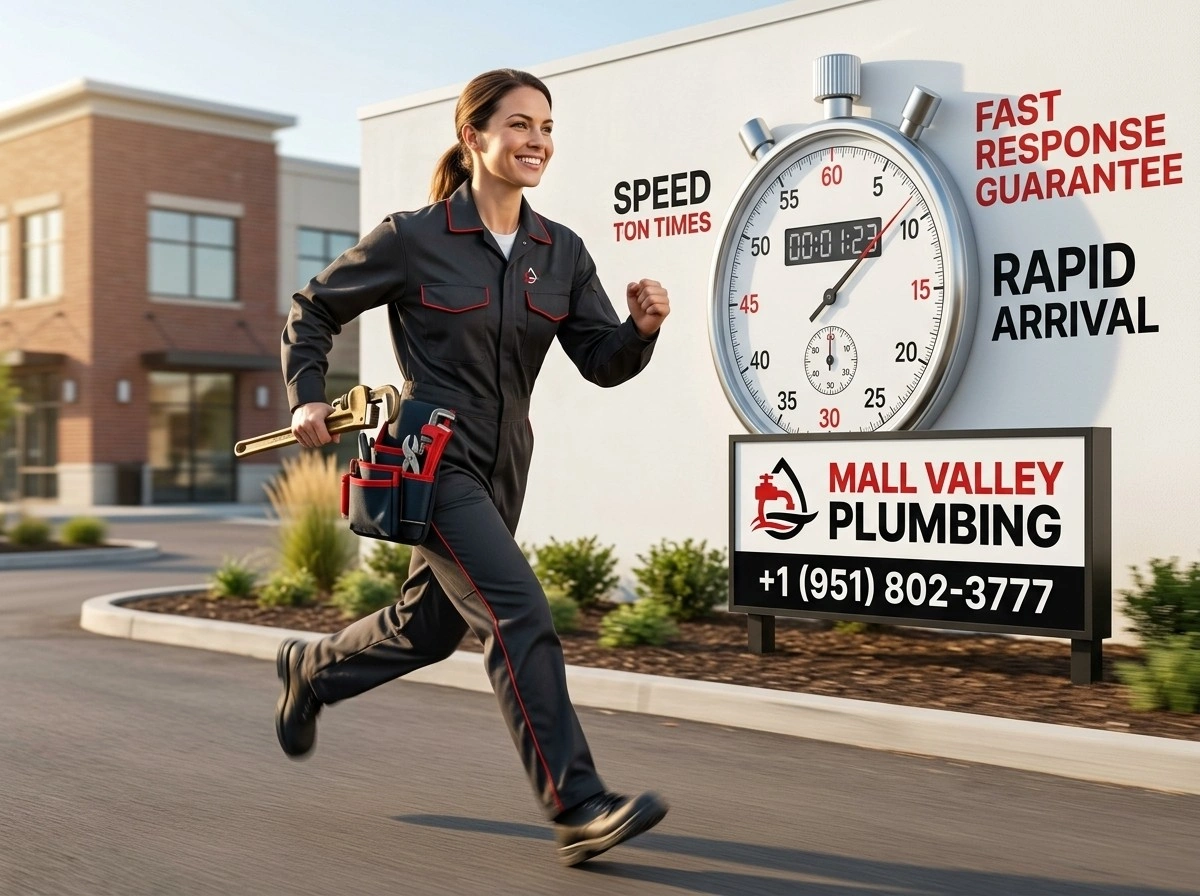
A septic-system failure can become urgent when sewage backs up into a shower, tub, toilet, floor drain, or living area; when wastewater begins surfacing outdoors; or when an alarm signals a possible pump-system issue. Mall Valley Plumbing offers 24/7 emergency plumbing availability for urgent wastewater and plumbing concerns across Moreno Valley and the Inland Empire.
When you call, tell us exactly what you are seeing. The more detail you provide about slow drains, toilet bubbling, sewage odor, standing water, recent pumping, alarm activity, or visible overflow, the easier it is to determine the appropriate response.
Emergency Support Process
Phone Review
Initial phone review of symptoms, property conditions, and sanitation concerns.
Water-Use Guidance
Guidance to reduce water use and limit additional wastewater entering the system.
Dispatch Planning
Dispatch planning based on urgency, access, and the suspected source of the problem.
On-Site Assessment
On-site assessment to determine whether the concern is septic, plumbing, sewer-related, or a combination.
Recommendations
Clear recommendations for pump-out, drain clearing, repair, mitigation, or further evaluation.
Urgent Situations May Include
- Sewage backing up into a shower, tub, toilet, or floor drain
- Septic overflow or standing wastewater in the yard
- Strong sewage odor with wet ground or drainage failure
- A septic alarm, suspected lift-pump failure, or loss of system function
- A tank that was recently pumped but is again backing up
- A plumbing or sewer issue that may be mistaken for a septic failure
Septic Backup Documentation for Insurance Conversations
Clear service records can help you communicate with your insurer
A sewage backup or wastewater overflow can cause damage to floors, walls, contents, landscaping, and other parts of a property. If an incident leads to an insurance claim, the insurance company may ask for documentation about the reported symptoms, service date, observed conditions, repairs, invoices, and any recommended next steps.
Mall Valley Plumbing can provide service information related to work performed. This may help you organize the details you need for discussions with your insurance carrier, property manager, restoration company, or other involved parties.
Documentation May Include
Service date and reported customer concerns
Work performed during the service visit
Notes on accessible conditions observed during the visit
Pumping, plumbing, diagnostic, or repair invoices where applicable
Recommendations for next steps when further work is needed
Photos or documentation when included in the approved service scope
Policy note: Insurance coverage depends on your policy, endorsements, exclusions, cause of loss, maintenance history, and insurer's claim review. Mall Valley Plumbing does not determine coverage. Review your policy and speak with your insurance agent or claim representative for property-specific guidance.
Understanding Septic-Service, Repair & Equipment Coverage
Ask for written details when repairs, components, or installations are recommended
Routine septic pumping is a maintenance service. Its purpose is to remove accumulated contents from the tank when pumping is appropriate; it does not create a guarantee that other components, pipes, pumps, baffles, filters, alarms, or drain fields will continue to operate without issue.
When Mall Valley Plumbing performs approved plumbing repairs or installs eligible components, customers should receive clear information about the specific work completed and any applicable workmanship or manufacturer coverage.
| Coverage Type | What It May Apply To |
|---|---|
| Routine pumping service | Documentation of the pump-out or maintenance work performed |
| Plumbing repair workmanship | Written terms for the specific approved repair, where applicable |
| New parts or equipment | Manufacturer coverage that may apply to eligible components |
| System recommendations | Documentation of observed conditions and next-step guidance, not a promise that unrelated components will not fail |
Important note: Coverage and warranty terms vary by service type, installed component, manufacturer requirements, system condition, access limitations, and the nature of the underlying issue. Ask for service-specific terms in writing before approving major repair or replacement work.
Equipped Service Vehicles Supporting Moreno Valley & Inland Empire Properties
Practical tools and coordinated service for wastewater-related problems
Mall Valley Plumbing operates with a stated fleet of 10 fully equipped service vans to support urgent plumbing calls, drain concerns, sewer diagnostics, leak issues, water-heater needs, and other service requests across Moreno Valley and surrounding communities.
Septic-service needs may require specialized pumping equipment, safe site access, and a service plan based on the tank location, property layout, reported symptoms, and approved scope of work. Our team discusses the situation before service so you understand whether the request involves routine pumping, drain clearing, plumbing diagnosis, emergency backup assistance, or a broader septic-system concern.
Service-Readiness Highlights
- Coordinated dispatch for urgent plumbing and wastewater-related calls
- Equipment and service planning based on property access, symptoms, and approved scope
- Plumbing, drain, sewer-camera, leak-detection, and repair capabilities when the cause is not clearly septic
- Practical discussion of tank access, hose routes, gates, driveways, slopes, and buried lids
- 24/7 emergency availability for urgent plumbing and wastewater concerns
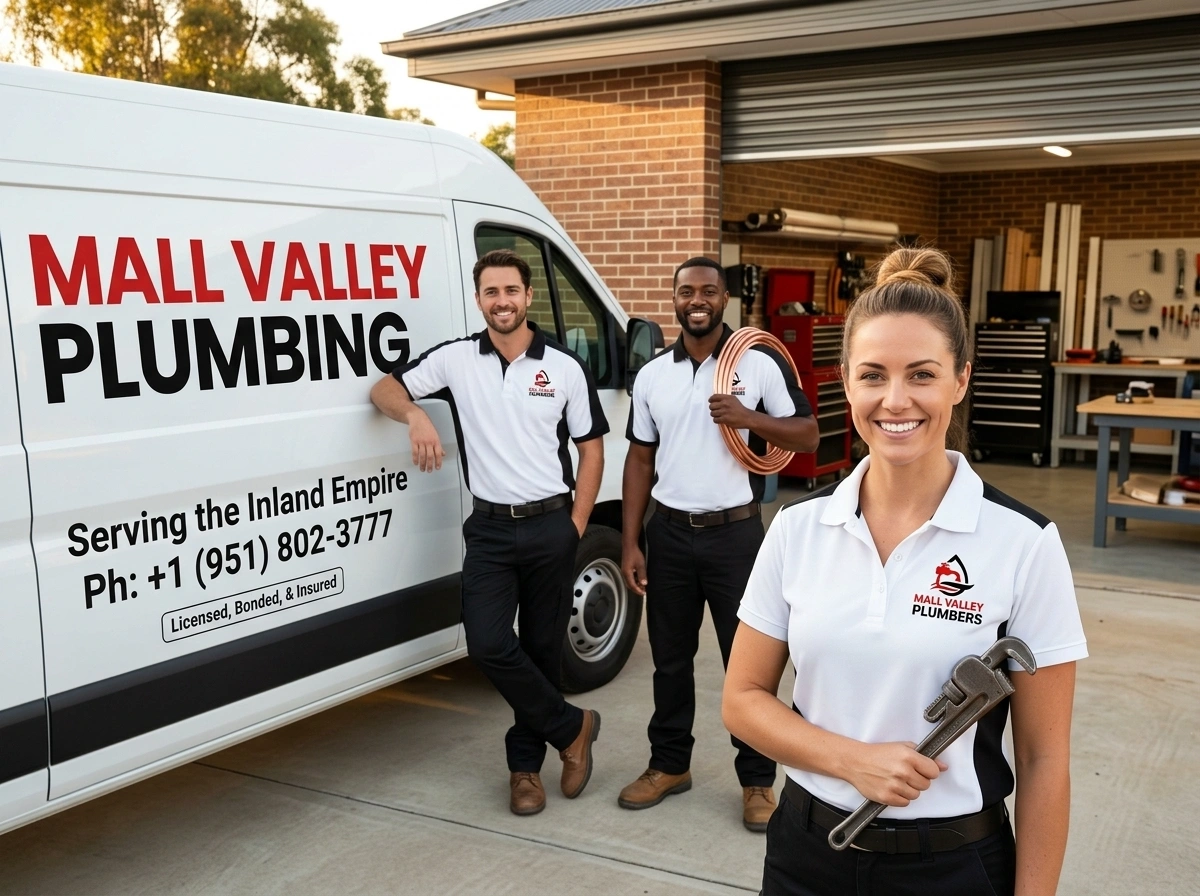
Payment Options for Larger Septic-System and Plumbing Projects
Discuss practical options when a routine pump-out reveals a larger concern
Routine septic pumping is usually a planned maintenance expense. However, a service visit may reveal a larger issue involving a damaged line, failed pump, inaccessible tank opening, major plumbing repair, sewer work, or drain-field concern that requires additional planning.
If a larger approved project is needed, Mall Valley Plumbing can discuss available payment or financing options for qualifying work, subject to current terms and approval requirements.
Situations Where Payment Planning May Be Helpful
- Major plumbing repairs associated with wastewater backup conditions
- Septic-pump, electrical, or control-component work
- Tank-access improvements such as risers or lid-related repairs
- Larger line repairs, sewer work, or camera-guided diagnosis
- Repiping, water-damage restoration, or related plumbing projects
- Multi-unit, property-management, or commercial work requiring phased scheduling
Ask your service coordinator about current options, eligibility, payment terms, project scope, and any applicable approval process before moving forward.
A Service-First Approach for Moreno Valley Property Owners
The work should earn your confidence through clarity, preparation, and follow-through
When you call about a septic or wastewater concern, you need useful information — not vague promises. Mall Valley Plumbing focuses on responsive communication, practical diagnostic thinking, clear scope explanations, and professional plumbing support for homeowners, property managers, businesses, and facility contacts throughout the Moreno Valley area.
We believe the most important measure of service is whether you understand what is happening at your property, what work is being performed, what the service can address, and what next step makes sense if the issue continues.
What Customers Should Expect from a Professional Septic-Service Conversation
A clear discussion of symptoms before a recommendation is made
Honest explanation that pumping may be maintenance, not a universal repair
Transparent questions about tank access, property layout, and service history
Practical recommendations when the issue appears to involve plumbing, sewer, pumps, lines, filters, or drain-field conditions
Respectful, family-aware communication during an unpleasant or urgent property problem
Septic Tank Pumping Offers for Eligible Moreno Valley Customers
Straightforward information about available promotions and qualifying services
Mall Valley Plumbing understands that septic maintenance, emergency plumbing, and unexpected wastewater problems can put pressure on a household budget. Ask our team about current service offers, new-customer promotions, referral discounts, and qualifying discounts that may apply to your requested work.
Any promotion, discount, or special offer should be confirmed before service begins. Eligibility may vary based on the service requested, system condition, emergency timing, project size, location, prior discounts, and current offer terms.
Ask About
- New-customer offers for qualifying plumbing services
- Referral-related discounts when available
- Current drain, camera, leak-detection, water-heater, or plumbing-service promotions
- Potential senior, military, or veteran discounts for eligible work
- Larger-project savings for qualifying repiping, water-heater, tankless, or plumbing-upgrade work
Septic & Emergency Plumbing Service Hours in Moreno Valley
24/7 availability for urgent plumbing and wastewater concerns
Sewage backups, serious odors, active leaks, overflowing toilets, and wastewater concerns can happen outside normal business hours. Mall Valley Plumbing offers 24/7 emergency plumbing availability for urgent calls throughout Moreno Valley and the surrounding Inland Empire region. Routine septic maintenance can be scheduled in advance, while active sewage backups and urgent wastewater concerns should be addressed as soon as possible.
| Day | Hours |
|---|---|
| Monday | 00:00 – 23:59 (24/7) |
| Tuesday | 00:00 – 23:59 (24/7) |
| Wednesday | 00:00 – 23:59 (24/7) |
| Thursday | 00:00 – 23:59 (24/7) |
| Friday | 00:00 – 23:59 (24/7) |
| Saturday | 00:00 – 23:59 (24/7) |
| Sunday | 00:00 – 23:59 (24/7) |
Contact Mall Valley Plumbing
- Phone: +1 (951) 802-3777
- Email: mallvalleyplumbing@gmail.com
- Website: emergencyplumbermorenovalley.com
How to Compare Septic Tank Cleaning & Pumping Options in Moreno Valley
Choose a provider based on clarity, scope, safety, and the ability to explain the real issue
When comparing septic pumping companies or plumbing providers, do not focus only on the first price you hear. A lower initial quote may not explain whether tank access, buried-lid excavation, truck access, disposal, emergency timing, or further diagnostic work is included.
Ask direct questions about what the provider will do, what they need from you before arrival, what conditions can change the price, and how they will explain the difference between a routine pump-out and a larger septic-system problem.
| What to Compare | Mall Valley Plumbing Approach | What to Ask Any Provider |
|---|---|---|
| Symptom review | Starts with what you are seeing before assuming the tank is the only cause | "Will you help determine if this is septic, plumbing, or sewer-related?" |
| Service scope | Explains access, pump-out, observations, and possible next steps | "What exactly is included in the quoted service?" |
| Cost variables | Discusses tank size, access, buried lids, hose route, emergency timing, and repair needs | "What could change the final price?" |
| Recurring problems | Explains when pumping may not solve an underlying issue | "What happens if the tank is pumped and the backup returns?" |
| Emergency support | Provides 24/7 plumbing availability for urgent situations | "What should I do while waiting for help?" |
| Follow-up guidance | Offers practical recommendations after service | "Will I receive a record of the work and next steps?" |
A reliable provider should not pressure you into major repairs without explaining the observed conditions and the reason additional work is being recommended.
Contact Mall Valley Plumbing for Septic Tank Cleaning & Pumping in Moreno Valley
Tell us what you are seeing, and we will help you identify the practical next step
If your property uses an onsite septic system and you are dealing with slow drains, toilet bubbling, foul odors, wet ground, a buried tank lid, overdue maintenance, or sewage backing up into a shower or toilet, Mall Valley Plumbing is ready to help.
Call us with the symptoms you are noticing, whether you know the property is on septic or public sewer, when the tank was last serviced if known, and any information about the tank location or access. We will help you understand whether you may need routine septic pumping, emergency backup support, drain clearing, a camera inspection, or further system evaluation.
Mall Valley Plumbing
+1 (951) 802-3777
mallvalleyplumbing@gmail.com
12820 Day St
Moreno Valley, CA 92553, USA
emergencyplumbermorenovalley.com
Septic Tank Cleaning & Pumping
24/7 Emergency Service Available
Protect your property from avoidable wastewater problems with professional septic tank cleaning Moreno Valley service from Mall Valley Plumbing.